

Search
 Shrimp
 Fish
 Crab &
 Plants
 Foods
 Snails
Orange Rili Shrimp for Sale (Shipping 11/16/26)
$31.99
In stock
SKU
orange rili shrimp
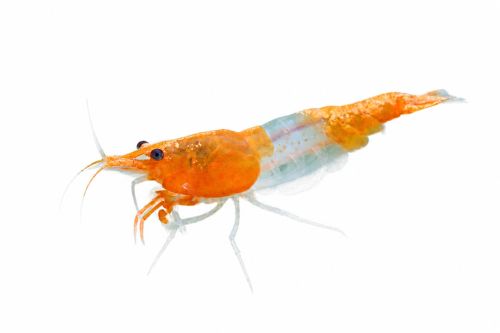
Orange Rili Shrimp (Neocaridina davidi) are colorful freshwater shrimp known for their bright orange coloration and distinctive translucent “rili” pattern. Their unique combination of vivid color and clear body sections makes them an eye-catching addition to planted aquariums, nano tanks, and peaceful community setups.
Orange Rili Shrimp are beginner friendly, active, and relatively easy to care for, making them an excellent choice for both new and experienced shrimp keepers. Like other Neocaridina shrimp, they spend much of the day grazing on biofilm, algae, and leftover food while adding constant activity to the aquarium.
Our Orange Rili Shrimp for sale are carefully selected for health, color, and overall quality before shipping. With stable water parameters, proper nutrition, and a mature aquarium, Orange Rili Shrimp can thrive and reproduce readily, allowing you to establish a colorful colony of your own.
Reviewed by The Shrimp Farm Team based on our experience keeping, breeding, and shipping Orange Rili Shrimp.
What You Will Receive
When you order Orange Rili Shrimp from The Shrimp Farm, you will receive healthy, active Orange Rili Shrimp (Neocaridina davidi) selected from our tanks for overall health and quality.
-
Size: Typically juvenile to young adult
-
Color: Orange with distinctive translucent or clear “rili” sections
-
Grade: Color and pattern will naturally vary between individual shrimp
-
Sex: Mixed and not guaranteed unless otherwise stated
-
Shipping: Carefully packed for safe live arrival
-
Live Arrival Guarantee: Your order is backed by The Shrimp Farm's Live Arrival Guarantee
Young Orange Rili Shrimp may arrive with lighter coloration than mature adults. Their orange coloration and rili pattern can become more pronounced as they mature and settle into a healthy, established aquarium.
Orange Rili Shrimp Quick Facts
| Quick Fact | Orange Rili Shrimp |
|---|---|
| Scientific Name | Neocaridina davidi |
| Common Name | Orange Rili Shrimp |
| Care Level | Easy / Beginner Friendly |
| Adult Size | Approximately 1–1.5 inches |
| Temperament | Peaceful |
| Diet | Omnivore / Biofilm Grazer |
| Recommended Temperature | 68–76°F |
| Recommended pH | 6.5–8.0 |
| GH | 6–12 dGH |
| KH | 2–8 dKH |
| Minimum Tank Size | 5 gallons |
| Lifespan | Approximately 1–2 years |
| Breeding Difficulty | Easy |
| Freshwater or Saltwater | Freshwater |
| Shrimp Family | Neocaridina |
| Beginner Friendly? | Yes |
Are Orange Rili Shrimp Beginner Friendly?
Yes. Orange Rili Shrimp are beginner friendly and are an excellent choice for anyone new to keeping freshwater shrimp. As Neocaridina davidi, they are generally hardy, adaptable, and easier to care for than more sensitive Caridina shrimp.
Orange Rili Shrimp do best in a mature, fully cycled aquarium with stable water parameters. They spend much of their time grazing on biofilm, algae, and other natural food sources throughout the tank.
For the best results, beginners should focus on:
-
Stable water parameters rather than constantly adjusting pH or hardness
-
Keeping the aquarium fully cycled with no detectable ammonia or nitrite
-
Providing plenty of biofilm, plants, moss, and hiding places
-
Avoiding sudden changes in temperature or water chemistry
-
Choosing peaceful, shrimp-safe tank mates
-
Avoiding medications or treatments containing copper at harmful levels
Their hardy nature, peaceful behavior, bright orange coloration, and ability to breed readily make Orange Rili Shrimp a great choice for a first shrimp colony or planted nano aquarium.
BACKED BY THE SHRIMP FARM'S LIVE ARRIVAL GUARANTEE!
Orange Rili Shrimp vs Cherry Shrimp: What's the Difference?
Orange Rili Shrimp and Cherry Shrimp are both varieties of Neocaridina davidi, which means their care requirements, temperament, size, and breeding behavior are very similar. The biggest difference is their coloration and pattern.
Orange Rili Shrimp typically display bright orange coloration separated by translucent or clear sections of the body, creating the distinctive “rili” pattern. Cherry Shrimp generally have a more solid red coloration that can range from lighter red to deep, vibrant red depending on their grade.
| Feature | Orange Rili Shrimp | Cherry Shrimp |
|---|---|---|
| Scientific Name | Neocaridina davidi | Neocaridina davidi |
| Color | Orange with clear/translucent sections | Red |
| Pattern | Distinctive Rili pattern | Primarily solid coloration |
| Adult Size | About 1–1.5 inches | About 1–1.5 inches |
| Care Level | Easy | Easy |
| Temperament | Peaceful | Peaceful |
| Beginner Friendly | Yes | Yes |
| Breeding Difficulty | Easy | Easy |
| Water Requirements | Typical Neocaridina parameters | Typical Neocaridina parameters |
| Best For | Unique orange patterned colonies | Classic bright red shrimp colonies |
Can Orange Rili Shrimp Live With Cherry Shrimp?
Yes, Orange Rili Shrimp can live with Cherry Shrimp because they require nearly identical aquarium conditions and are peaceful toward one another.
However, because both are color varieties of Neocaridina davidi, Orange Rili and Cherry Shrimp can interbreed. Over multiple generations, mixing different color lines may produce offspring with less predictable coloration and patterns, including shrimp that begin to resemble wild-type Neocaridina.
If your goal is to maintain a consistent Orange Rili color and pattern, keeping them in a dedicated colony is generally the better choice.
Which Shrimp Should You Choose?
Choose Orange Rili Shrimp if you want a distinctive combination of bright orange coloration and transparent rili patterning. Choose Cherry Shrimp if you prefer the classic solid-red appearance.
For beginners, either is an excellent choice. Both are hardy, peaceful, active grazers and among the easiest freshwater dwarf shrimp to keep and breed.
Orange Rili Shrimp Care Guide
Orange Rili Shrimp (Neocaridina davidi) are hardy, peaceful freshwater shrimp that are relatively easy to care for when kept in a mature, stable aquarium. Like other Neocaridina shrimp, consistency is more important than chasing exact water parameters.
Orange Rili Shrimp Water Parameters
| Parameter | Recommended Range |
|---|---|
| Temperature | 68–76°F |
| pH | 6.5–8.0 |
| GH | 6–12 dGH |
| KH | 2–8 dKH |
| Ammonia | 0 ppm |
| Nitrite | 0 ppm |
| Nitrate | Ideally below 20 ppm |
Avoid sudden changes in temperature, pH, or mineral content. When performing water changes, try to match the temperature and parameters of the new water closely to the aquarium.
Tank Setup
A 5-gallon or larger, fully cycled aquarium is recommended for Orange Rili Shrimp. Larger tanks are often easier to keep stable, especially for beginners.
Live plants, moss, driftwood, rocks, and other natural surfaces are beneficial because they provide hiding places and encourage the growth of biofilm, which shrimp graze on throughout the day.
Sponge filters are an excellent choice for shrimp tanks because they provide gentle filtration while giving adults and baby shrimp another surface to graze.
What Do Orange Rili Shrimp Eat?
Orange Rili Shrimp are omnivorous scavengers and natural biofilm grazers. In an established aquarium, they spend much of their day picking at biofilm, soft algae, and organic material.
Their diet can be supplemented with:
-
Algae-based foods
-
Blanched vegetables
-
Mineral-rich foods
-
Occasional protein-based foods
Feed only what the shrimp can consume within a reasonable amount of time. Overfeeding can negatively affect water quality and is one of the most common mistakes in shrimp aquariums.
Orange Rili Shrimp Tank Mates
The best tank mates for Orange Rili Shrimp are other peaceful dwarf shrimp and small, non-aggressive aquarium inhabitants. Snails are especially good companions because they generally pose little threat to adult or baby shrimp.
Small peaceful fish can sometimes be kept with Orange Rili Shrimp, but nearly any fish capable of fitting a baby shrimp in its mouth may eat shrimplets. A shrimp-only aquarium provides the best chance of developing a large breeding colony.
Molting and Calcium
Orange Rili Shrimp must regularly molt their exoskeleton as they grow. Proper GH and mineral availability help support healthy molts.
It is normal to find empty shrimp molts in the aquarium. These can usually be left in the tank because shrimp will often consume them and recycle some of the minerals.
Above all, successful Orange Rili Shrimp care comes down to a mature aquarium, stable water parameters, good water quality, appropriate nutrition, and avoiding sudden changes.
Real Owner Experience With Orange Rili Shrimp
After keeping and working with Orange Rili Shrimp, one of the things we enjoy most about them is how much their color and pattern can vary from shrimp to shrimp. Some develop bold orange sections with a very defined transparent rili pattern, while others may show slightly different amounts of orange and clear coloration.
We’ve found Orange Rilis to be active, peaceful shrimp that spend most of the day grazing on biofilm, aquarium plants, driftwood, and other surfaces throughout the aquarium. Once they settle into a mature tank, you’ll often see them out in the open searching for food.
For long-term success, we recommend focusing on stable water conditions rather than trying to constantly adjust parameters. A mature aquarium with plenty of biofilm and natural grazing surfaces makes a noticeable difference, especially when establishing a new colony.
Orange Rili Shrimp also breed readily under the right conditions. If maintaining the orange rili pattern is important to you, we recommend keeping them separate from other Neocaridina davidi color varieties. Different Neocaridina colors can interbreed, and the offspring may become less consistent in color and pattern over future generations.
Overall, Orange Rili Shrimp are one of our favorite choices for anyone who wants the easy care of Neocaridina with a more distinctive patterned appearance than a traditional solid-color shrimp.
Orange Rili Shrimp FAQs
What are Orange Rili Shrimp?
Orange Rili Shrimp are a selectively bred color variety of Neocaridina davidi. They are known for their bright orange coloration combined with translucent or clear sections of the body, which creates the distinctive rili pattern.
Are Orange Rili Shrimp easy to care for?
Yes. Orange Rili Shrimp are easy to care for and beginner friendly. They do best in a mature, fully cycled freshwater aquarium with stable water parameters, plenty of biofilm, and no detectable ammonia or nitrite.
What temperature do Orange Rili Shrimp need?
Orange Rili Shrimp generally do well at approximately 68–76°F. More important than maintaining one exact temperature is keeping the aquarium temperature stable and avoiding sudden fluctuations.
What pH do Orange Rili Shrimp need?
A pH of approximately 6.5–8.0 is suitable for Orange Rili Shrimp. Because they are Neocaridina shrimp, they can adapt to a relatively broad range of conditions when changes occur gradually.
How big do Orange Rili Shrimp get?
Adult Orange Rili Shrimp typically reach approximately 1–1.5 inches, with mature females generally growing larger and developing a fuller body shape than males.
How long do Orange Rili Shrimp live?
Orange Rili Shrimp typically live around 1–2 years under good aquarium conditions. Water quality, temperature, diet, genetics, and overall tank stability can all influence lifespan.
What do Orange Rili Shrimp eat?
Orange Rili Shrimp are omnivorous scavengers that naturally graze on biofilm, soft algae, microorganisms, and organic material. Their diet can be supplemented with quality shrimp foods, algae wafers, vegetables, and occasional protein-rich foods.
Do Orange Rili Shrimp eat algae?
Yes. Orange Rili Shrimp will graze on certain soft algae and biofilm growing on plants, rocks, driftwood, glass, and aquarium decorations. However, they should not be relied upon as the sole solution for a significant algae problem.
Can Orange Rili Shrimp live with fish?
Yes, but tank mates should be chosen carefully. Small, peaceful fish may coexist with adult Orange Rili Shrimp, but almost any fish capable of eating a baby shrimp may prey on shrimplets. A shrimp-only aquarium offers the best survival rate for a growing colony.
Can Orange Rili Shrimp live with Cherry Shrimp?
Yes. Orange Rili Shrimp and Cherry Shrimp have nearly identical care requirements because both are varieties of Neocaridina davidi. However, they can interbreed, which may result in less predictable colors and patterns over future generations.
How often do Orange Rili Shrimp breed?
Healthy adult females can reproduce regularly when conditions are favorable. After mating, a female carries fertilized eggs beneath her abdomen until they hatch into miniature shrimp. Warm, stable conditions and adequate food can influence how frequently reproduction occurs.
How many Orange Rili Shrimp should I start with?
Starting with approximately 6–10 Orange Rili Shrimp is a good choice for establishing a colony. A larger starting group generally increases the likelihood of receiving both males and females and can help a breeding colony become established sooner.
Do Orange Rili Shrimp need a heater?
Not always. If your aquarium naturally remains within a stable temperature range suitable for Neocaridina shrimp, a heater may not be necessary. A heater can be useful when room temperatures fluctuate or regularly fall below the preferred range.
Why are my Orange Rili Shrimp losing color?
Orange Rili Shrimp may appear less colorful because of stress, genetics, age, diet, water conditions, recent shipping, or their surroundings. Newly arrived shrimp may temporarily look pale and often develop stronger coloration after acclimating to a stable aquarium.
How can I keep the Orange Rili pattern strong?
If you want to maintain a consistent Orange Rili colony, avoid mixing them with other Neocaridina color varieties that can interbreed. Selective breeding and keeping shrimp with the strongest desired orange-and-clear pattern can help maintain the appearance over future generations.
Are Orange Rili Shrimp good for beginners?
Yes. Orange Rili Shrimp are an excellent choice for beginners because they are hardy, peaceful, adaptable, and relatively easy to breed. A fully cycled aquarium with stable water parameters is the most important foundation for success.
We found other products you might like!
Related Products


Login and Registration Form