


Search
 Shrimp
 Fish
 Crab &
 Plants
 Foods
 Snails
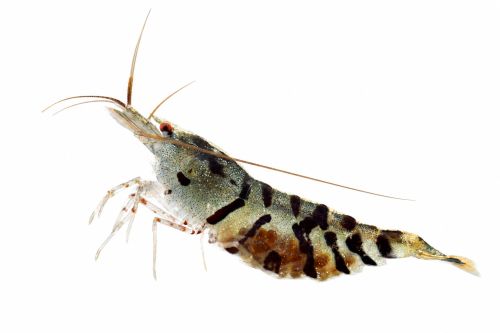
Tiger Shrimp for Sale (Shipping 11/16/26)
$34.99
In stock
SKU
Tiger-Shrimp
If you're looking for Tiger Shrimp (Caridina cantonensis) for sale, you've come to the right place. Tiger Shrimp are prized for their bold black tiger-striped pattern, active personality, and striking appearance in planted freshwater aquariums. As a member of the Caridina family, they thrive in stable water conditions and are an excellent choice for intermediate to advanced shrimp keepers looking to add something unique to their aquarium.
At The Shrimp Farm, our live Tiger Shrimp are carefully selected, professionally packed, and backed by our Live Arrival Guarantee. Whether you're starting a dedicated Caridina aquarium or expanding an established shrimp colony, our healthy Tiger Shrimp are ready to become a standout addition to your tank.
This guide covers everything you need to know about Tiger Shrimp care, including ideal water parameters, diet, breeding, tank mates, lifespan, and tips for long-term success, so you can buy with confidence.
Reviewed by The Shrimp Farm Team based on our experience keeping, breeding, and shipping Tiger Shrimp.
What You'll Receive
When you order Tiger Shrimp (Caridina cantonensis) from The Shrimp Farm, you'll receive healthy, active shrimp that are carefully selected and professionally packed for safe arrival. Every order is backed by our Live Arrival Guarantee, so you can order with confidence.
✔ Healthy live Tiger Shrimp (Caridina cantonensis)
✔ Distinctive black tiger-striped coloration (patterns vary naturally)
✔ Juvenile to young adult shrimp, approximately ½–1 inch in size
✔ Professionally packed with insulated shipping when needed
✔ Backed by our Live Arrival Guarantee
✔ Detailed care information and ongoing support from The Shrimp Farm team
Quick Facts about Tiger Shrimp
| Scientific Name | Caridina cantonensis |
|---|---|
| Common Name | Tiger Shrimp |
| Care Level | Intermediate |
| Temperament | Peaceful |
| Adult Size | Up to 1.2 inches (3 cm) |
| Lifespan | 1–2 years |
| Minimum Tank Size | 5 gallons |
| Temperature | 68–74°F (20–23°C) |
| pH | 6.2–7.2 |
| Diet | Algae, biofilm, shrimp foods, blanched vegetables |
| Breeding | Moderate in stable Caridina water conditions |
| Compatibility | Best with other peaceful shrimp, snails, and small community fish |
| Best For | Planted freshwater aquariums and Caridina shrimp colonies |
Are Tiger Shrimp Beginner Friendly?
Tiger Shrimp (Caridina cantonensis) are not typically recommended for complete beginners, but they are an excellent choice for aquarium hobbyists who already have some experience keeping freshwater shrimp. Unlike Cherry Shrimp, Tiger Shrimp prefer stable, soft, slightly acidic water and are less forgiving of sudden changes in water parameters.
If you're new to Caridina shrimp but have a mature, well-maintained planted aquarium, Tiger Shrimp can be a rewarding first Caridina species. They thrive in clean water with plenty of biofilm, mosses, and hiding places, and once established, they are active, peaceful, and fascinating to watch.
If this is your first freshwater shrimp aquarium, we generally recommend starting with Cherry Shrimp because they adapt to a wider range of water conditions and are easier to care for and breed. However, if you're prepared to maintain stable water parameters and provide the proper environment, Tiger Shrimp can be a beautiful and rewarding addition to your aquarium.
Are Tiger Shrimp Good Algae Eaters?
Yes, Tiger Shrimp (Caridina cantonensis) are good algae eaters, but their primary role is as natural scavengers and biofilm grazers rather than dedicated algae control shrimp. They spend most of the day grazing on soft algae, biofilm, decaying plant matter, and leftover food, helping keep your aquarium clean and balanced.
Tiger Shrimp are especially effective at eating:
- ✔ Soft green algae
- ✔ Biofilm growing on plants, rocks, and driftwood
- ✔ Decaying plant material
- ✔ Leftover fish and shrimp food
- ✔ Natural microorganisms found in mature aquariums
However, they generally will not eat tougher algae such as black beard algae (BBA), hair algae, or stubborn spot algae. For heavy algae problems, Amano Shrimp are usually the better choice.
For the healthiest Tiger Shrimp, don't rely on algae alone. Supplement their diet with a high-quality shrimp food and allow plenty of biofilm to develop in the aquarium. A mature planted tank with stable water conditions will encourage natural grazing behavior and help your Tiger Shrimp thrive.
Why Buy Tiger Shrimp from The Shrimp Farm?
✅ Healthy, Active Tiger Shrimp – Every Tiger Shrimp (Caridina cantonensis) is carefully selected to help ensure you receive healthy, active shrimp ready for their new aquarium.
✅ Professionally Packed for Safe Shipping – We use proven packing methods and insulated shipping materials to help your shrimp arrive safely and in excellent condition.
✅ Live Arrival Guarantee – Order with confidence knowing your Tiger Shrimp are backed by our Live Arrival Guarantee.
✅ Expert Caridina Shrimp Care – Our team specializes in freshwater shrimp and provides the proper care, nutrition, and water conditions to help every shrimp thrive before shipping.
✅ Fast Nationwide Shipping – We safely ship live Tiger Shrimp across the United States with the goal of getting them to your aquarium quickly and safely.
✅ Bundle & Save – Save more when you purchase multiple shrimp, live plants, shrimp food, or aquarium supplies in the same order.
✅ Friendly, Knowledgeable Support – Whether you need help with Tiger Shrimp care, breeding, water parameters, or compatibility, our experienced team is here to help you succeed.
BACKED BY THE SHRIMP FARM'S LIVE ARRIVAL GUARANTEE!



Tiger Shrimp vs Other Tiger Shrimp Varieties
Not all Tiger Shrimp are the same. While they share similar care requirements as Caridina cantonensis, different varieties offer unique colors, patterns, and levels of rarity. Standard Tiger Shrimp are an excellent choice for hobbyists who appreciate the classic black tiger-striped pattern and want a beautiful Caridina shrimp that can thrive in a well-maintained freshwater aquarium.
| Feature | Tiger Shrimp | Orange Eye Blue Tiger (OEBT) | Tangerine Tiger Shrimp | Super Tiger Shrimp |
|---|---|---|---|---|
| Appearance | Clear body with bold black tiger stripes | Blue body with bright orange eyes | Bright orange to golden body with tiger striping | Thicker, more pronounced tiger stripes |
| Difficulty | Intermediate | Advanced | Intermediate | Intermediate |
| Water Parameters | Soft, slightly acidic | Soft, slightly acidic | Soft, slightly acidic | Soft, slightly acidic |
| Breeding | Moderate | More challenging | Moderate | Moderate |
| Rarity | Common | Rare | Uncommon | Uncommon |
| Best For | Most Caridina keepers | Experienced breeders and collectors | Hobbyists wanting vibrant orange coloration | Enthusiasts seeking stronger striping |
No matter which variety you choose, Tiger Shrimp are peaceful freshwater shrimp that thrive in stable, mature aquariums with clean water and plenty of biofilm. If you're looking for the classic tiger-striped appearance at an excellent value, standard Tiger Shrimp are one of the best introductions to the fascinating
Tiger Shrimp vs Cherry Shrimp
Both Tiger Shrimp (Caridina cantonensis) and Cherry Shrimp (Neocaridina davidi) are popular freshwater shrimp, but they differ in care requirements, water parameters, and breeding difficulty. Cherry Shrimp are often recommended for beginners because they tolerate a wider range of water conditions, while Tiger Shrimp are better suited for hobbyists with stable, mature aquariums who want to keep Caridina shrimp.
| Feature | Tiger Shrimp | Cherry Shrimp |
|---|---|---|
| Scientific Name | Caridina cantonensis | Neocaridina davidi |
| Care Level | Intermediate | Beginner |
| Adult Size | Up to 1.2 inches (3 cm) | Up to 1.6 inches (4 cm) |
| Water Parameters | Soft, slightly acidic water | Adapts to a wider range of water conditions |
| Breeding Difficulty | Moderate | Very Easy |
| Temperament | Peaceful | Peaceful |
| Algae Eating | Good | Good |
| Color & Pattern | Natural black tiger stripes | Available in many solid color varieties |
| Best For | Caridina enthusiasts and planted aquariums | First-time shrimp keepers and community tanks |
If you're new to freshwater shrimp, Cherry Shrimp are typically the easier species to keep and breed. If you already have experience maintaining stable water parameters and want a shrimp with a distinctive striped appearance, Tiger Shrimp are an outstanding choice. Both species are peaceful, active, and make beautiful additions to planted aquariums, but they perform best when their specific care requirements are met.
Tiger Shrimp Care Guide
Tiger Shrimp (Caridina cantonensis) are a rewarding freshwater shrimp species known for their bold tiger-striped pattern and active behavior. While they are slightly more demanding than Cherry Shrimp, they thrive when kept in a mature, well-established aquarium with stable water parameters. Once their environment is consistent, Tiger Shrimp are active scavengers, excellent biofilm grazers, and can successfully breed in freshwater.
Aquarium Size
A 5-gallon aquarium or larger is recommended for Tiger Shrimp. Larger tanks provide more stable water conditions, which are essential for Caridina shrimp. A planted aquarium with mosses, driftwood, and hiding places helps reduce stress and encourages natural grazing.
Water Parameters
Tiger Shrimp prefer soft, clean water with stable parameters.
- Temperature: 68–74°F (20–23°C)
- pH: 6.2–7.2
- GH: 4–6 dGH
- KH: 0–2 dKH
- TDS: 100–180 ppm
Avoid sudden changes in water chemistry, as Caridina shrimp are sensitive to rapid swings in pH, temperature, and mineral content.
Diet
Tiger Shrimp are omnivorous scavengers that spend much of the day feeding on algae, biofilm, and microorganisms growing on aquarium surfaces. Supplement their natural diet with a high-quality shrimp food several times per week.
Good food choices include:
- Quality shrimp pellets
- Algae wafers
- Blanched spinach or zucchini
- Indian almond leaves
- Bacter AE or other biofilm supplements
- Occasional protein-rich foods in small amounts
Feed lightly to avoid excess waste and maintain excellent water quality.
Tank Mates
Tiger Shrimp do best with other peaceful aquarium inhabitants.
Great tank mates include:
- Other peaceful Caridina shrimp
- Small snails
- Otocinclus
- Corydoras Catfish
- Peaceful Community Fish
Avoid keeping Tiger Shrimp with large, aggressive, or predatory fish that may prey on adults or shrimplets.
Breeding Tiger Shrimp
Tiger Shrimp can reproduce successfully in freshwater when maintained in stable Caridina water conditions. Females carry fertilized eggs beneath their abdomen for about 3–4 weeks before releasing fully developed baby shrimp. Dense moss, leaf litter, and mature biofilm provide excellent shelter and a natural food source for young shrimp.
Water Quality & Maintenance
Excellent water quality is the key to long-term success with Tiger Shrimp.
For the healthiest colony:
- Perform 10–20% weekly water changes
- Use a shrimp-safe sponge filter or gentle filtration
- Avoid copper-based medications
- Allow new aquariums to fully mature before introducing shrimp
- Test water parameters regularly to maintain stability
With proper care, Tiger Shrimp (Caridina cantonensis) can live 1–2 years, display vibrant tiger striping, and become a beautiful, active centerpiece in a planted freshwater aquarium. Their unique appearance and fascinating behavior make them one of the most popular Caridina shrimp among aquarium hobbyists.
Related Products


Login and Registration Form